BESTAMI

The Green Paw

Educational articles about sustainable pet care, compostable products, and eco-friendly dog ownership.

How to Stop Cat Litter Smell: The Honest Guide for UK Cat Owners

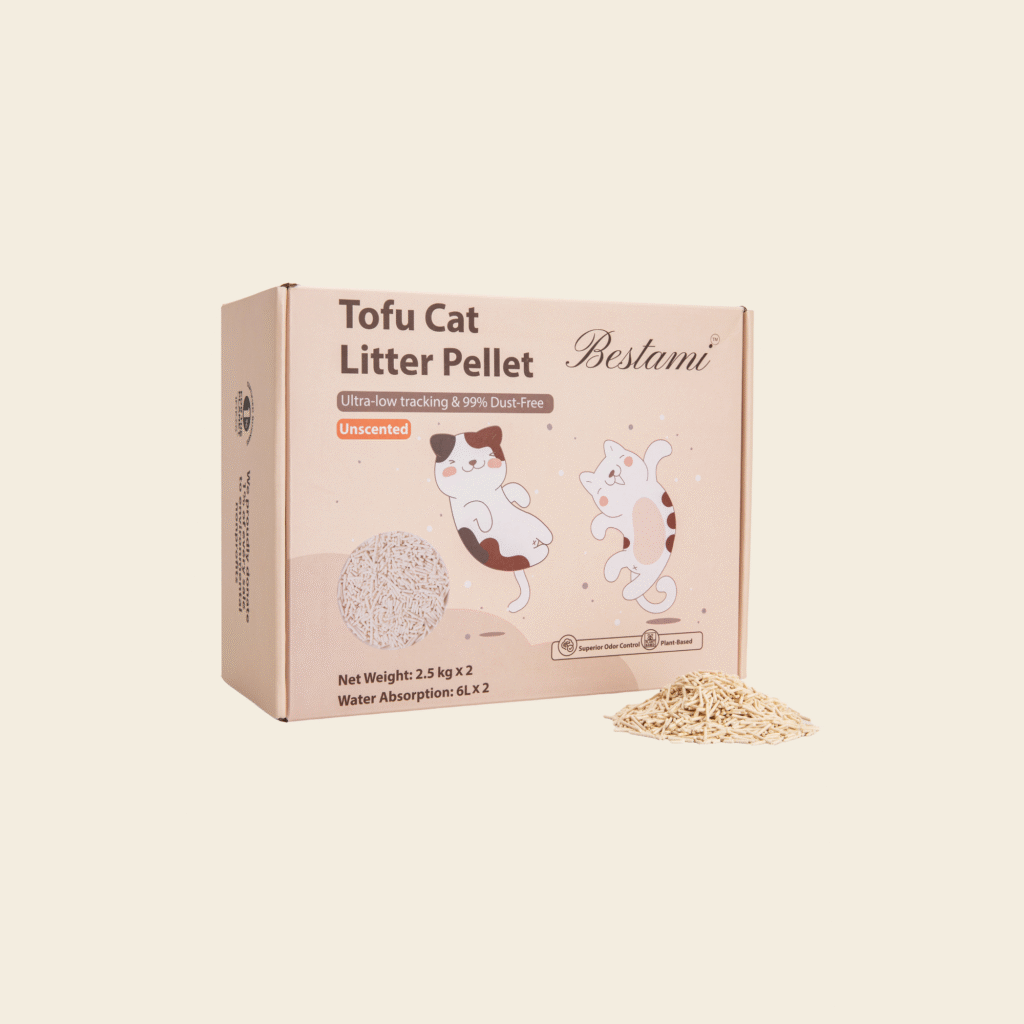
Honest Guide · 6 min read How to Stop Cat Litter Smell:The Natural Way. Cat litter smell is not inevitable. It is a result of bacteria, moisture, and the wrong product. Eight natural ways to stop the odour for good — without synthetic fragrance, plug-ins, or chemical sprays. Why your litter box smells (and what is actually happening) Before you can fix the smell, it helps to understand what is causing it. The unpleasant ammonia-like odour from a cat litter box is not the urine itself — it is what happens when bacteria break down urea in cat urine, releasing ammonia gas. The stronger the bacterial activity, the stronger the smell. That is why the box smells worse in summer (heat speeds up bacterial growth), and worse with multi-cat households, and worse with certain types of litter that do not absorb fast enough. The smell is not your cat’s fault. It is bacteria, moisture, and the wrong litter doing the wrong job. Why synthetic fragrance makes it worse, not better Most conventional cat litters try to mask odour with synthetic fragrance. Citrus, lavender, “fresh linen.” This is the wrong approach for two reasons. First, cats hate synthetic fragrance. Their sense of smell is roughly fourteen times stronger than ours — what seems like a mild “fresh” scent to you can be overwhelming to your cat. The result is litter box avoidance, anxiety, and stress. Second, fragrance does not eliminate odour — it just covers it. Underneath the perfume, the ammonia is still there, still bothering your cat, still leaking into the air of your home. Eight natural ways to stop cat litter smell 1. Scoop daily, no exceptions This is the single biggest factor. Bacteria need time and moisture to release ammonia. Scoop within twelve hours and the smell barely develops. Wait three days and your house smells like a cattery. Set a daily reminder. Do it the same time every day. Two minutes a day is far less work than dealing with an embedded odour problem later. 2. Use the right depth of litter 5-7 cm of litter is the sweet spot for most cats. Less than this and urine reaches the bottom of the tray, soaks into plastic, and creates persistent smell. More than this and you are just wasting product. 3. Choose litter that absorbs fast The faster a litter absorbs liquid, the less time bacteria has to react. Tofu cat litter absorbs almost instantly because of the porous plant fibre structure. Clay clumping litters are slower. Silica is fastest but has its own issues with paw comfort and environmental impact. 4. Avoid synthetic fragrance entirely Skip any litter that lists “fragrance,” “perfume,” or “scent” as an ingredient. These are typically chemical mixtures that bother your cat and mask rather than eliminate odour. Instead, look for litters that neutralise odour through plant-based absorption — natural soybean fibre, baking soda, or activated charcoal. 5. Wash the box itself weekly Even with good litter, the plastic of the litter box absorbs trace amounts of urine over time. Once a week, empty the box completely, wash with warm water and unscented soap, dry thoroughly, and refill with fresh litter. Avoid bleach (toxic to cats and corrodes plastic) and avoid heavily fragranced cleaners. 6. Use a stainless steel or ceramic litter box Plastic litter boxes are porous on a microscopic level. Over months and years, urine seeps into the plastic and becomes impossible to fully clean out. Stainless steel and ceramic do not absorb urine at all. One stainless steel litter box costs more upfront but lasts a decade and never develops embedded smell. 7. Replace litter completely every 4-6 weeks Even with daily scooping, fine particles and bacteria accumulate in the litter over time. A complete replacement every four to six weeks resets the box. For multi-cat homes, every two to three weeks. 8. Multi-cat households need multiple boxes The standard rule is one litter box per cat plus one extra. If you have two cats, you need three boxes. This spreads usage and reduces the bacterial load on any single box. 1× Daily scoop 7cm Litter depth N+1 Boxes per cat What about baking soda and activated charcoal? Some cat owners sprinkle baking soda into the litter to absorb odours. This works in moderation — but too much and it can irritate your cat’s paws or be inhaled as dust. A light sprinkle once a week is fine. Activated charcoal sachets placed near (not in) the litter box work better. They absorb airborne ammonia molecules without bothering your cat. Bamboo charcoal bags from any UK pet shop work well. What about air fresheners and plug-ins? Avoid them. Synthetic air fresheners contain volatile organic compounds (VOCs) that can affect cats with respiratory sensitivities, particularly cats with asthma. They mask smell rather than fix it. If you want to freshen the room around the litter box, an open window for ten minutes does more good than a plug-in for a week. The litter that actually solves this The single biggest factor in litter box smell is the litter itself. A genuinely good cat litter absorbs fast, neutralises odour through plant-based action (not fragrance), produces no dust, and clumps tightly so urine never reaches the bottom of the tray. BESTAMI tofu cat litter does all four. Three plant-based ingredients — soy fibre, corn starch, guar gum — manufactured to ISO 9001 quality and HACCP food-grade safety standards. No synthetic fragrance, ever. Designed in the UK. If you have been fighting litter box smell for years, the answer might be simpler than you think. The litter you use matters more than every air freshener, scoop schedule, or cleaning routine combined. The bottom line Cat litter smell is not inevitable. It is a result of bacteria, moisture, and the wrong product. Scoop daily, use the right depth, choose a fast-absorbing litter without synthetic fragrance, wash the box weekly, and your home should not smell of cat at all. For more on plant-based cat
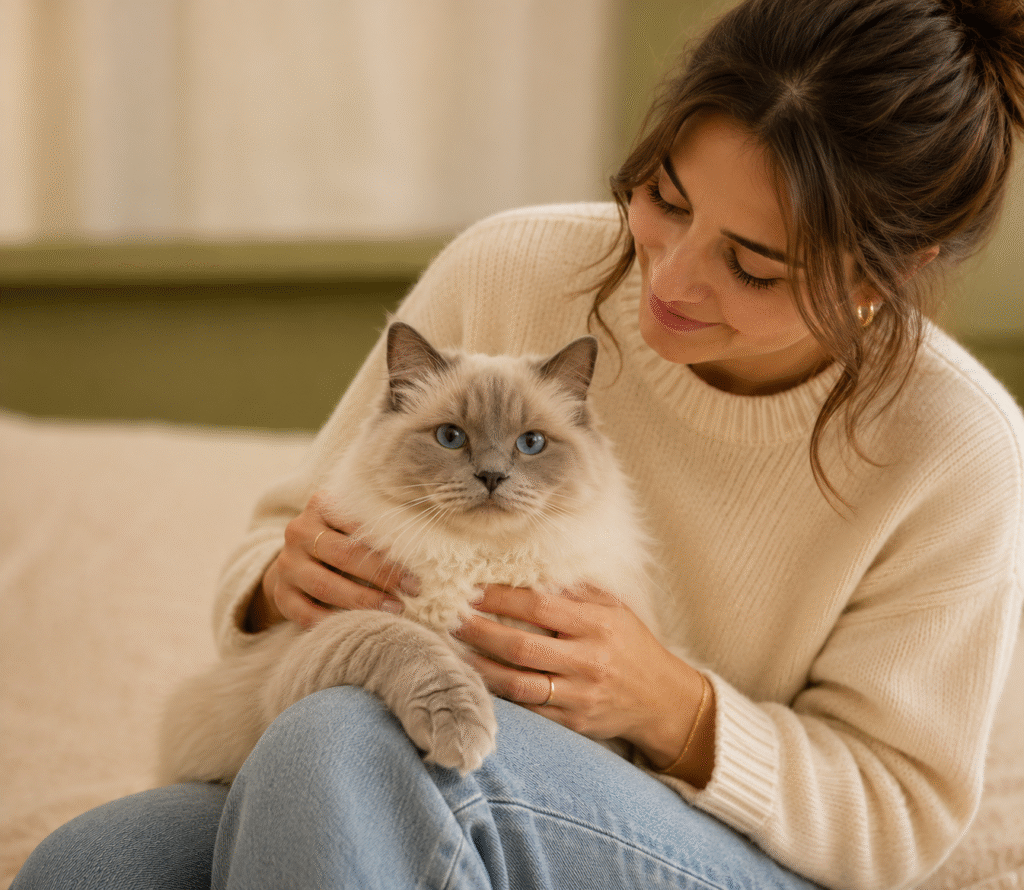
How to Stop Cat Litter Smell: The Honest Guide for UK Cat Owners Read More »

Hidden dangers of clay cat litter UK guide — Bestami honest investigation

The Hidden Dangers of Clay Cat Litter

Honest Guide · 7 min read The Hidden Dangersof Clay Cat Litter. Most UK cat owners use clay cat litter without questioning what is in it. Strip-mined, dusty, often fragranced with synthetic chemicals. Here are the facts the conventional brands would rather you did not know. The cat litter most UK owners use without thinking Walk into any UK supermarket and the cat litter aisle is almost entirely clay. Clumping bentonite, non-clumping fuller’s earth, occasionally with “fresh fragrance” added. It is what your parents used. It is what you grew up with. It is cheap, familiar, and right there on the shelf. It is also, increasingly, what veterinary respiratory specialists and environmental scientists are concerned about. This article is not designed to scare you. It is designed to give you the facts that conventional cat litter brands would rather you did not know. Most UK cat owners have never been told what is actually in clay cat litter. Once they know, they usually rethink their choice. What clay cat litter actually is Clay cat litter is made from one of two materials. Bentonite clay is used in clumping litters. A type of absorbent clay strip-mined from open-pit mines, primarily in the United States, Greece, and Turkey. Bentonite swells dramatically when wet, which is what makes it clump. Fuller’s earth is used in non-clumping litters. Another absorbent clay, also strip-mined. Strip-mining is a destructive form of mining. Topsoil is removed, vegetation is destroyed, the landscape is permanently altered. The clay is then transported across continents to processing facilities, then shipped again to retail markets. The carbon footprint of clay cat litter — from mine to landfill — is significant. The crystalline silica problem Here is what most cat owners do not know. Bentonite clay litter contains crystalline silica — a mineral classified by the International Agency for Research on Cancer as a Group 1 carcinogen when inhaled in dust form. Every time your cat digs and covers in clay litter, fine crystalline silica dust is released into the air. They breathe it in. So do you, if you are scooping or sitting nearby. Over a cat’s lifetime, the cumulative exposure is significant. Crystalline silica dust has been linked to silicosis, chronic respiratory issues, and increased lung cancer risk in humans with long-term occupational exposure. Veterinary respiratory specialists have raised similar concerns about cats — particularly cats prone to asthma, senior cats, and kittens with developing respiratory systems. The ingestion risk Cats groom themselves constantly. Some clay litter inevitably gets onto paws and fur and ends up swallowed during grooming. With clumping bentonite, this is a real concern. Bentonite clay swells up to fifteen times its original size when wet. When ingested, it can absorb moisture in the digestive tract, expand, and cause intestinal blockages — particularly in kittens and small cats. Reported cases include severe dehydration, gastrointestinal obstruction, and in extreme cases, surgery. This risk is highest for kittens, who groom more aggressively and have smaller digestive systems, and for cats with pica behaviour who deliberately eat litter. The fragrance problem Most clay litters mask odour with synthetic fragrance — “fresh linen,” “spring meadow,” “citrus burst.” These are typically chemical mixtures designed for human noses, not feline ones. Cats have a sense of smell roughly fourteen times stronger than humans. What seems like a mild scent to you can be overwhelming to your cat. The result is litter box avoidance, anxiety, skin irritation, and respiratory issues in sensitive cats. Some synthetic fragrances also contain compounds that, when inhaled long-term, can affect respiratory health in both cats and humans living in the same household. The environmental cost Conservatively, the average UK cat goes through 200-300 kg of clay litter over its lifetime. None of it biodegrades. All of it ends up in landfill, where it sits indefinitely. Multiply that by the millions of UK cat-owning households, year after year, and the scale of the landfill burden becomes clear. Clay cat litter is one of the largest non-biodegradable waste streams from UK pet ownership. 200kg+ Per cat lifetime 100yrs+ Landfill breakdown Group 1 Carcinogen rating Who is most at risk Not every cat or cat owner faces the same level of risk. The biggest concerns apply to: Cats with asthma or chronic respiratory conditions — silica dust is particularly harmful Senior cats with weakened lung function — long-term exposure builds up Kittens under six months — developing respiratory systems are more vulnerable Households with young children — air quality near the litter box affects them Family members with asthma or allergies — clay dust can trigger flare-ups Pregnant family members — fragrance chemicals are an additional concern What to use instead The good news: alternatives exist, and they perform as well as or better than clay across every measure that matters. Tofu cat litter is the strongest alternative on the UK market. Made from soybean fibre — a byproduct of tofu production — it is plant-based, biodegradable, dust-free, soft on paws, and naturally controls odour without synthetic fragrance. For a complete introduction, read our guide: What Is Tofu Cat Litter? For a head-to-head comparison: Tofu vs Clay vs Silica. How to switch from clay safely The biggest mistake people make is switching cold turkey. The seven-day method works for almost every cat. Days 1-2: 80% old litter, 20% tofu Days 3-4: 60% old litter, 40% tofu Days 5-6: 30% old litter, 70% tofu Day 7+: 100% tofu Most cats adapt within seven to ten days. Kittens usually switch immediately. Senior cats may need ten to fourteen days. The honest bottom line Clay cat litter has been the default for sixty years. It is cheap. It is familiar. It is everywhere. But the case for it has never been weaker — and the case against it has never been clearer. Crystalline silica dust. Synthetic fragrance. Strip mining. Centuries in landfill. Ingestion risk for kittens. Respiratory concerns for cats and humans alike. The case for clay was always cost and convenience. Once cleaner alternatives

The Hidden Dangers of Clay Cat Litter Read More »

Best Eco Cat Litter UK 2026: An Honest Buyer’s Guide

Buyer’s Guide · 8 min read Best Eco-Friendly Cat Litter UK:The Honest Buyer’s Guide. The ‘eco-friendly’ label has no legal definition — and brands abuse it constantly. Use the five-test checklist below to spot genuinely sustainable cat litter from greenwashed marketing. What “eco-friendly” cat litter actually means Walk into any UK pet shop and you will see the word “eco-friendly” stamped on cat litter packaging that is, frankly, anything but. The label has no legal definition. No certification. No required standard. Brands use it for whatever they want — from clay litters with biodegradable bags to silica with “natural fragrance.” If you actually want a sustainable cat litter, you need to look past the marketing. Here is what genuinely eco-friendly cat litter looks like. Plant Based ingredients 100% Biodegradable 0 Plastic packaging The five tests of genuinely eco cat litter If a cat litter passes these five tests, it is genuinely sustainable. If it fails any of them, the “eco-friendly” claim is mostly marketing. 1. Plant-based or fully biodegradable ingredients. Clay (mined) and silica (mined quartz) are not biodegradable, no matter how the bag is labelled. Look for tofu, paper, wood, or grass-based litters made from genuinely renewable materials. 2. No synthetic fragrance. Synthetic fragrance is a chemical blend that pollutes both the air your cat breathes and the soil where the litter ends up. Real eco litter neutralises odour through plant absorption, not perfume. 3. Plastic-free packaging. A clay litter sold in a plastic bag with a “biodegradable” label on the bag is not eco-friendly. Look for FSC-certified outer cardboard with home-compostable inner bags (TÜV Austria certified). 4. Verifiable certifications at the source. Manufacturer certifications (HACCP, ISO 9001) and packaging supplier certifications (FSC, OK Compost HOME) prove the claims. Brands that hide their certifications usually do not have any. 5. Brand transparency. Honest brands tell you exactly what is in the product, where it comes from, and which certifications apply. If a brand will not disclose ingredients, that itself is the answer. Five tests. If a litter passes all five, it is genuinely sustainable. If it fails any of them, the “eco-friendly” claim is mostly marketing. The main types of eco cat litter UK owners can buy Tofu cat litter. Made from soybean fibre — a byproduct of tofu production. Plant-based, biodegradable, dust-free, soft on paws, low odour. The strongest all-round eco option in the UK market right now. For a deep dive, read What Is Tofu Cat Litter? Wood pellet cat litter. Made from compressed sawdust or recycled wood. Biodegradable and low cost. Downsides: doesn’t clump well, breaks down into sawdust quickly, can have strong wood scent some cats dislike. Paper cat litter. Made from recycled paper. Lightweight, dust-free, biodegradable. Downsides: doesn’t clump well, absorbs less per gram than tofu or clay, gets soggy quickly with multiple cats. Grass cat litter. Made from dried grass fibre. Newer to the UK market. Strong clumping, low dust. Downsides: more expensive, less widely available, sometimes has agricultural smell. Walnut shell cat litter. Made from ground walnut shells. Good odour control, biodegradable. Downsides: dark colour can hide health issues, dusty in some grades, allergy concerns for households with nut allergies. How they compare across the five eco tests Tofu — passes all five. Plant-based. Biodegradable. No synthetic fragrance. Plastic-free packaging available. Verifiable certifications. Wood pellet — passes 3 of 5. Plant-based and biodegradable. Often comes in plastic packaging. Few brands publish certifications. Paper — passes 3 of 5. Recycled and biodegradable. Often plastic-bagged. Limited certification transparency. Grass — passes 4 of 5. Plant-based and biodegradable. Variable on packaging and certifications. Walnut shell — passes 3 of 5. Plant-based but often dusty and inconsistently certified. Verdict: Tofu is the only category where you can find litters that pass all five eco tests AND perform well across dust, odour, comfort and clumping. What to look for on the label Whichever type you choose, scan the label for these specific things — not vague claims: Ingredients listed — full disclosure, not “natural blend” HACCP or ISO 9001 — manufacturing certifications, not just marketing FSC certification — for the outer packaging (real wood sourcing standard) OK Compost HOME (TÜV Austria) — for inner bags (real compostability standard) 1% for the Planet — direct membership (proves the brand puts money back, not just words) “No synthetic fragrance” — explicit, not implied Where BESTAMI tofu cat litter fits in BESTAMI tofu cat litter passes all five eco tests. Three plant-based ingredients (soy fibre, corn starch, guar gum) — fully disclosed. Manufactured to HACCP food-grade safety and ISO 9001 quality. FSC-certified outer box, OK Compost HOME inner bags (TÜV Austria certified). No synthetic fragrance. Direct member of 1% for the Planet — 1% of every sale goes to verified environmental non-profits, every year. Designed in the UK. Honest for them. Honest for the planet. If you only want one cat litter that genuinely meets every eco standard, this is it. The bottom line The “eco-friendly” cat litter aisle is full of marketing claims that do not match reality. Use the five-test checklist above, look for verifiable certifications, and choose a brand that tells you exactly what is in the product. For more on the differences between tofu, clay, and silica — and which is genuinely best for UK cat owners — read our complete comparison: Tofu Cat Litter vs Clay vs Silica. In This Article What ‘eco-friendly’ actually means The five tests of eco litter The main types of eco litter How they compare What to look for on the label Where BESTAMI fits in The bottom line 1% for the Planet BESTAMI is a direct member. 1% of every sale goes to verified environmental non-profits, every year. Our Commitment → Read Next What Is Tofu Cat Litter? 6 min read Tofu vs Clay vs Silica 7 min read ← Back to The Green The Green Newsletter Stay close to what matters. Subscribe Unsubscribe at any time.

Best Eco Cat Litter UK 2026: An Honest Buyer’s Guide Read More »

Calm cat in clean litter box — Bestami safe tofu cat litter

Is Tofu Cat Litter Safe? What Vets and Science Say

Bestami Standards · 7 min read Is Tofu Cat Litter Safe?How Bestami Proves It. At Bestami, safety is something we measure — not market. Manufactured to HACCP food-grade safety standards. ISO certified. Three plant-based ingredients, fully disclosed. Here is exactly what backs every claim we make. Why we are writing this If you are considering Bestami tofu cat litter, safety is probably your first question. It is made from food — so is it really safe in a litter box? What if your cat eats some? Is it safe for kittens, multi-pet households, or family members who are pregnant? These are exactly the right questions to ask. We are answering them the same way we approach everything at Bestami — honestly, with the certifications and standards that back every claim. At Bestami, safety is something we measure. Not something we market. The short answer Yes — Bestami tofu cat litter is one of the safest cat litter options on the UK market. Made from three plant-based, food-grade ingredients. Manufactured to HACCP food-grade safety standards. ISO certified. Non-toxic if accidentally ingested. Virtually dust-free. Free from synthetic chemicals. That is the short version. The complete answer is below — with the certification documents to back every word. The Bestami safety standard Most pet brands tell you their products are “safe” without explaining what that means. We are more specific. HACCP Food-grade safety ISO Quality certified 3 Plant ingredients Bestami tofu cat litter is manufactured to HACCP food-grade safety standards — the same standard used in food production. Every batch is tested for contamination, mould, bacteria and toxins. It is also produced in an ISO certified manufacturing facility — meaning the production process is independently audited for consistent quality, batch after batch. Both certifications are held by our manufacturer. We can produce the documentation on request. What is in Bestami tofu cat litter We disclose every ingredient. No mystery additives. No undisclosed binders. No “fragrance blend” hiding chemicals. Food-grade soy fibre (75%) — natural byproduct of tofu production. Circular origin, fully biodegradable. Corn starch (15%) — natural plant-based binder. Guar gum (10%) — plant-derived clumping agent. Plant-based deodorising agent (trace) — naturally derived. Zero synthetic fragrance. Three plant-based ingredients plus a natural deodorising agent. That is the entire formulation. Nothing else. Is it safe for cats? Non-toxic if accidentally ingested. Cats groom themselves constantly. Some litter inevitably gets onto paws and fur and ends up swallowed. With clay or silica, this is a real concern — clay can compact in the digestive tract, silica beads can cause gastrointestinal issues. With Bestami tofu cat litter, the food-grade plant ingredients pass through the digestive system without harm. Virtually dust-free. Clay litter releases fine crystalline silica dust every time your cat covers — long-term inhalation has been linked to respiratory issues, asthma and chronic upper respiratory infections. Bestami tofu cat litter has no fine particles, no clouds, no respiratory irritation. This is one of the most underestimated safety advantages. No synthetic fragrance. Cats have a sense of smell roughly fourteen times stronger than humans. Synthetic fragrance can cause litter box avoidance, skin irritation and respiratory irritation. Bestami tofu cat litter contains zero synthetic fragrance — odour is neutralised naturally. Safe for kittens — recommended from 8 weeks Bestami tofu cat litter is recommended for kittens from eight weeks old. Kittens are at the highest risk from poor litter choices because they lick everything, their respiratory systems are still developing, and their litter habits are still being formed. Our food-grade ingredients are non-toxic if licked or swallowed during grooming. The dust-free formulation protects developing respiratory systems. The soft pellets are gentle on developing paws. The same litter that is safe for kittens is safe for senior cats with weakened lungs, cats with asthma, and households with allergy sufferers. Multi-pet households Cats and dogs. Some dogs — especially puppies — will eat cat litter from the box. With clay or silica this can cause real harm. With Bestami tofu cat litter, the plant-based ingredients are digestible. We do not recommend dogs eating any litter, but if it happens, our product is far less serious than the alternatives. Households with young children. Bestami tofu cat litter is non-toxic if a small amount is accidentally tasted, contains no synthetic fragrances in the air your child breathes, and produces no crystalline silica dust. Always supervise children around the litter box and teach proper hygiene. Pregnancy. The toxoplasmosis risk in pregnancy comes from cat faeces, not the litter — so the litter type does not change that risk. However, Bestami tofu cat litter is easier to handle: no dust to inhale, no chemical fragrance. Standard pregnancy advice still applies. What if your cat eats some For small amounts ingested during grooming: nothing to worry about. The food-grade plant ingredients pass through the digestive system without issue. For larger amounts: ensure access to fresh water, monitor for digestive distress, and consult your vet if you have any concerns. If your cat is consistently eating litter, that often indicates a medical issue such as pica or nutritional deficiency — speak to your vet. The Bestami 30-day guarantee If your cat refuses to use tofu litter even after a gradual seven-day transition, Bestami offers a full refund within 30 days of purchase. No argument. Email hello@bybestami.com and we will sort it. Premium brands stand behind their products. We do not hide behind small print, restocking fees, or “satisfaction guarantee” with seventeen exclusions. Why we publish this information Most pet brands write safety pages full of vague reassurance — “trusted by vets,” “tested for safety,” “premium quality” — without ever specifying what those phrases actually mean. Bestami takes a different approach. We tell you exactly which ingredients are in the product, who manufactures it, what certifications are held, and who holds each certification. Bestami does not claim to be the safest. We claim to be tested, certified, and transparent — and we tell you exactly who holds each certification. Our certifications, in full For full

Is Tofu Cat Litter Safe? What Vets and Science Say Read More »

Tofu vs clay vs silica cat litter comparison—three types side by side

Tofu vs Clay vs Silica Cat Litter

Honest Guide · 7 min read Tofu vs Clay vs Silica:The Honest Comparison. Clay, silica, or tofu — which should UK cat owners actually choose? An unbiased comparison across dust, odour, safety, cost, environment and cat acceptance. The verdict is not always what you would expect. The three main types of UK cat litter Walk into any UK pet shop and you face the same wall of cat litter you have always faced. Before the comparison, a quick overview of what you are actually choosing between. Clay litter is the most common type in the UK — sold in every supermarket and pet shop. Made from bentonite (clumping) or fuller’s earth (non-clumping). Cheap and familiar, but strip-mined and non-biodegradable. Silica crystal litter is made from silica gel beads. Highly absorbent, long-lasting, low-maintenance. More expensive, mined from quartz, also non-biodegradable. Tofu litter is made from compressed soybean pulp — the natural byproduct of tofu production. Plant-based, biodegradable, dust-free. Newer to the UK market but growing fast among cat owners who care about what their cats breathe. For a deeper introduction to tofu cat litter, read our guide: What Is Tofu Cat Litter? Dust levels Clay litter — especially clumping bentonite — releases fine crystalline silica dust every time your cat covers. Long-term exposure has been linked to respiratory issues in cats and humans. Silica crystals produce less dust but fine grades can still be inhaled. Tofu litter produces virtually no dust. None of the fine particles. None of the clouds when poured. If your cat sneezes after using their litter box, dust is almost always why. Verdict: Tofu, by a wide margin. Odour control Clay relies on absorption plus synthetic fragrance — masking odour rather than neutralising it. Many cats actively dislike the perfume, which can lead to litter box avoidance. Silica traps moisture and slows bacterial growth — effective but not eternal. Tofu controls odour through natural plant-based absorption — no synthetic fragrance, no chemical interference, no overwhelmed cats. Verdict: Tofu, on cleanest method. Silica close on raw effectiveness. Texture and paw comfort Clay is granular and gritty. Silica is hard crystals — many cats find it uncomfortable, particularly kittens and senior cats. Tofu pellets are noticeably softer than both. This matters most for kittens, senior cats with arthritis, and cats recovering from paw injuries. Some cats simply refuse silica because it hurts their paws. Verdict: Tofu. Environmental impact This is where the comparison becomes one-sided. Clay is strip-mined bentonite — non-renewable, environmentally destructive at source, takes centuries to break down in landfill. Silica is mined quartz sand — also non-renewable, manufactured into beads, landfilled forever. Tofu is made from a food production byproduct that would otherwise be wasted. It is a circular product. Biodegrades naturally in weeks. If environmental impact matters to you, there is no contest. Verdict: Tofu, by a massive margin. Disposal options Clay and silica go straight to landfill. That is the only option, every week, for the lifetime of your cat. Tofu can be binned, composted in a dedicated garden compost bin (never with food crops), or flushed in small quantities where local water authority guidance permits. Verdict: Tofu — flexibility is a real practical advantage. Cost per week Budget clay is cheapest upfront. Tofu and silica are comparable on cost per week. When you factor in health, environmental and disposal benefits, tofu offers the strongest overall value — even if not the lowest sticker price. Clay (budget): £3–£5 (5L), lasts 2–3 weeks, around £1.50–£2.00 per week Clay (premium): £6–£9 (5L), lasts 3–4 weeks, around £2.00–£2.50 per week Silica: £8–£14 (5L), lasts 4–6 weeks, around £2.00–£2.50 per week Tofu: 5kg pack, lasts 4–6 weeks, comparable per week Verdict: Tofu and silica, comparable. Cat acceptance Most cats accept clay immediately — it is familiar. Some cats reject silica because of the hard crystal texture. Cats generally accept tofu well, especially kittens. Adult cats switching from clay may need a gradual seven-day transition. Verdict: Clay short-term. Tofu catches up quickly with proper transition. The verdict Tofu wins five categories outright, ties on a sixth, and only loses on short-term familiarity — which is a transition problem, not a product superiority problem. 5 of 7 Categories tofu wins 0g Synthetic dust 3 Disposal options This is not about being trendy. It is about a category that has not been seriously rethought in sixty years finally being rethought. How to switch your cat to tofu litter The seven-day method works for most cats. Days 1–2: 80% old, 20% tofu Days 3–4: 60% old, 40% tofu Days 5–6: 30% old, 70% tofu Day 7+: 100% tofu Kittens typically switch immediately. Senior cats may need ten to fourteen days. For full safety information — including for kittens, multi-pet households and pregnancy — read our companion guide: Is Tofu Cat Litter Safe? What to look for when buying tofu litter Not all tofu litter is the same. Look for these six things when buying any tofu cat litter: Three plant-based ingredients only — soy fibre, corn starch, guar gum. Anything more is unnecessary. HACCP and ISO manufacturing certification — proves the production facility is held to food-grade safety and quality standards. Plastic-free packaging — FSC-certified outer with home-compostable inner bag (look for OK Compost HOME or TÜV Austria). No synthetic fragrance — natural odour neutralisation only. Full ingredient disclosure on the product page. A satisfaction guarantee — fussy cats happen, the brand should stand behind their product. In This Article The three main types Dust levels Odour control Environmental impact Cost per week The verdict What to look for 1% for the Planet Bestami is a direct member. 1% of every sale goes to verified environmental non-profits, every year. Our Commitment → Read Next What Is Tofu Cat Litter? 6 min read Is Tofu Cat Litter Safe? 7 min read ← Back to The Green The Green Newsletter Stay close to what matters. Subscribe Unsubscribe at any time.

Tofu vs Clay vs Silica Cat Litter Read More »

What Is Tofu Cat Litter? The UK Guide

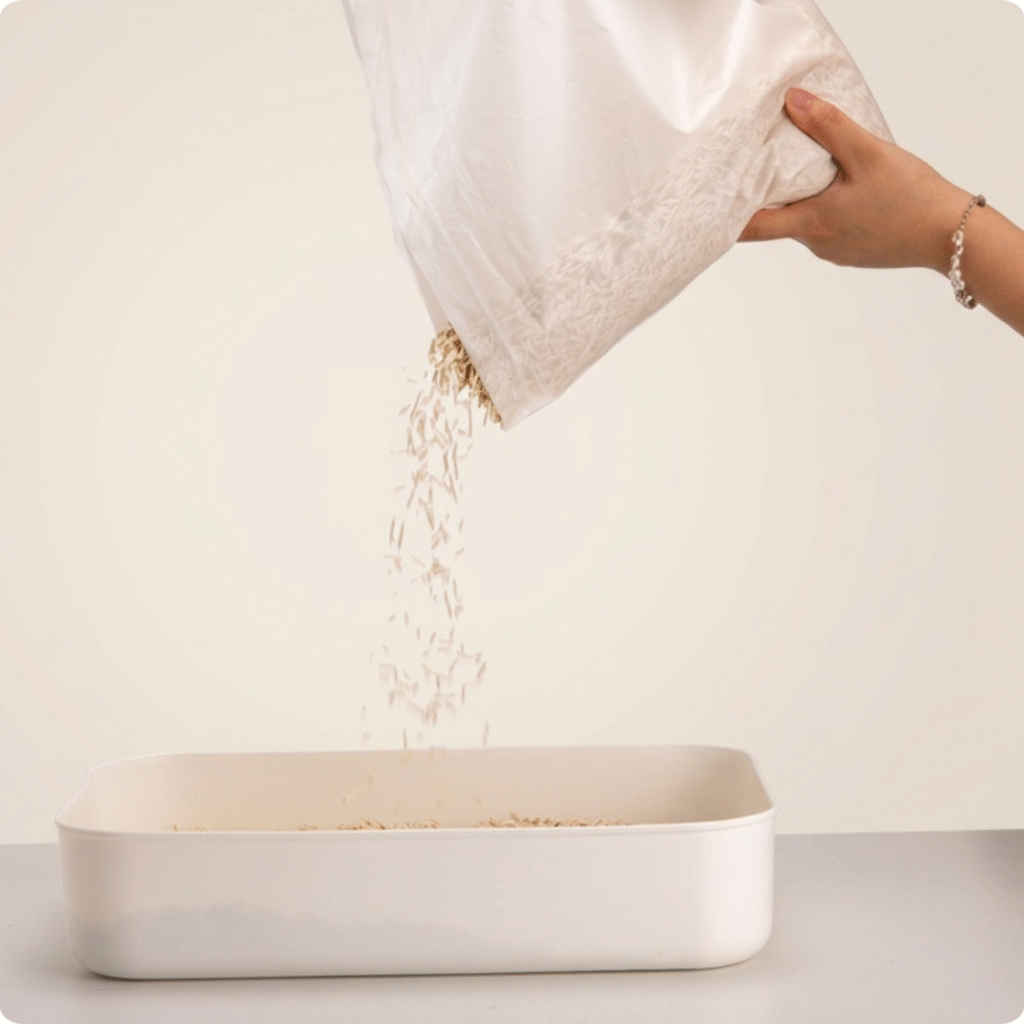
Honest Guide · 6 min read What Is Tofu Cat Litter?The UK Guide. Plant-based, dust-free, biodegradable. Most UK cat owners have never heard of tofu cat litter — but the ones who switch almost always wish they had done it sooner. Here is everything you need to know. What tofu cat litter actually is Tofu cat litter is made from okara — the natural soybean pulp left over when tofu is produced. Instead of being discarded as food waste, this fibrous byproduct is compressed into small pellets that work brilliantly as cat litter. The result is a plant-based, biodegradable litter that performs as well as clay — without any of the dust, mining, or chemical concerns that come with conventional litter. 3 Plant ingredients 0 Synthetic chemicals 100% Biodegradable What is in tofu cat litter Quality tofu cat litter typically contains three core plant-based ingredients. Soy fibre — the natural byproduct of tofu production. Circular origin, fully biodegradable. Usually around 75% of the formulation. Corn starch — natural plant-based binder. Helps the pellets hold their structure when wet. Guar gum — plant-derived clumping agent. Forms the tight, scoopable clumps when liquid is absorbed. Plant-based deodorising agent (trace) — naturally derived. Replaces synthetic fragrance with gentle natural odour neutralisation. Better tofu cat litters are manufactured to food-grade safety standards — meaning every batch is tested for contamination, mould, bacteria and toxins. Look for HACCP and ISO certification when buying. Three plant-based ingredients. No bentonite clay. No crystalline silica. No synthetic chemicals. Why UK cat owners are switching The shift towards tofu cat litter is not a passing trend. It is a response to real concerns cat owners have been raising for years. Dust from clay litter. Clumping bentonite releases fine crystalline silica dust every time your cat digs and covers. Long-term exposure has been linked to respiratory issues in cats and the people who live with them. Tofu cat litter is virtually dust-free. What ends up in landfill. Most UK cat litter goes straight to landfill — strip-mined clay or non-renewable silica that takes hundreds of years to break down. Tofu litter biodegrades within weeks, not centuries. Synthetic fragrance. Many conventional litters mask odour with artificial perfume. Cats have an extraordinarily sensitive sense of smell — what seems mild to us can be overwhelming to them, leading to litter box avoidance. Tofu controls odour naturally, no fragrance required. How tofu cat litter works in practice Tofu cat litter works the same way as any clumping litter — but cleaner. The pellets absorb liquid quickly and form a tight, compact clump. You scoop, dispose, and the rest stays fresh. Fill the box with 5–7 cm of pellets, scoop daily, top up weekly, and do a full change every four to six weeks depending on box use. A 5 kg bag typically lasts a single cat four to six weeks. How tofu compares to clay and silica Clay is cheap and familiar — but dusty, strip-mined, and non-biodegradable. Silica is long-lasting and odour-controlling — but mined, hard underfoot, and non-renewable. Tofu is plant-based, dust-free, biodegradable, soft on paws, and made from food industry waste. For the full breakdown across dust, odour, comfort, environmental impact, disposal and cost, read our complete comparison: Tofu Cat Litter vs Clay vs Silica. How to switch your cat to tofu litter The biggest mistake people make is switching cold turkey. The seven-day method works for almost every cat. Days 1–2: 80% old litter, 20% tofu Days 3–4: 60% old litter, 40% tofu Days 5–6: 30% old litter, 70% tofu Day 7+: 100% tofu Most cats adapt within seven to ten days. Kittens usually switch immediately — they have no entrenched preferences. Senior cats may need ten to fourteen days. Disposal — three options, not one This is where tofu litter quietly outperforms every alternative. Clay and silica go straight to landfill. Tofu can be binned, composted in a dedicated garden compost bin (never with food crops), or flushed in small quantities where local water authority guidance permits. Who tofu cat litter is right for Tofu cat litter works exceptionally well for kittens from eight weeks, adult cats, senior cats, cats with respiratory sensitivities, and multi-cat households. The dust-free formulation matters most for cats with asthma and for households with young children or family members with allergies. For more on safety — including what happens if your cat eats some — read our companion guide: Is Tofu Cat Litter Safe? What to look for when buying tofu cat litter Not all tofu cat litter is the same. When choosing yours, look for: Three plant-based ingredients only — soy fibre, corn starch, guar gum. Anything else is unnecessary. HACCP and ISO manufacturing certification — proves the production facility is held to food-grade safety and quality standards. Plastic-free packaging — FSC-certified outer with home-compostable inner bag (look for OK Compost HOME or TÜV Austria certification). No synthetic fragrance — natural odour neutralisation only. Full ingredient disclosure on the product page. Brands that hide ingredients are usually hiding something. A satisfaction guarantee — fussy cats happen, the brand should stand behind their product. Tofu cat litter is not a gimmick. It is a quietly better product that has been hiding in plain sight while UK cat owners kept buying clay. The honest bottom line If you have been meaning to make the switch, there is no better time than now. Your cat will thank you. Your home will be cleaner. The planet will be a little better off. And you will probably find — like most cat owners who switch — that you wonder why you waited so long. In This Article What it actually is What is in tofu litter Why UK owners are switching How it works in practice How to switch your cat What to look for when buying 1% for the Planet Bestami is a direct member. 1% of every sale goes to verified environmental non-profits, every year. Our Commitment → Read Next Tofu vs Clay vs

What Is Tofu Cat Litter? The UK Guide Read More »

Partner Spotlight: One Tree Planted

Partner Spotlight: One Tree Planted — Bestami 1% Partner Spotlight · 3 min read · February 2026 Partner Spotlight:One Tree Planted Through our direct 1% for the Planet membership, 1% of every BESTAMI sale goes to verified environmental organisations. One Tree Planted is one of the partners we are proud to support. Who are One Tree Planted? One Tree Planted is a non-profit organisation with a single, powerful focus: reforestation. For every dollar donated, one tree is planted. It is a model of radical simplicity — and it works. Since their founding in 2014, they have planted tens of millions of trees across six continents, working with local partners to restore forests that have been lost to deforestation, wildfires, and land degradation. What makes One Tree Planted stand out is their transparency and their global reach. They publish project updates, planting data, and impact reports so that donors can see exactly where trees are being planted and how the forests are developing over time. 2014 Founded 6 Continents $1 = 1 tree planted Why reforestation matters for pets and people Forests are the lungs of the planet. They regulate temperature, clean the air, filter water, and provide habitat for the biodiversity that underpins every ecosystem on earth — including the ones that produce the food our pets eat. Deforestation is one of the leading drivers of climate change, biodiversity loss, and the destruction of natural habitats. Restoring forests is one of the most effective tools we have for reversing that damage — and One Tree Planted makes it possible for any purchase to contribute to that restoration. Every BESTAMI order helps plant trees. Not as a campaign — as a permanent part of how we operate. What One Tree Planted actually does Their work focuses on four key areas: Reforestation projects — planting trees in areas devastated by deforestation, wildfires, and land clearing across North America, Latin America, Africa, Asia, and Europe. Biodiversity restoration — selecting native species that restore natural ecosystems rather than monoculture plantations. Community partnerships — working with local communities so that forests are protected and maintained long after planting. Impact reporting — publishing detailed project updates so donors and partners can verify exactly what their contribution achieved. Why we chose One Tree Planted One Tree Planted’s model aligns directly with what BESTAMI believes in: radical transparency, measurable impact, and long-term thinking. Their per-tree model makes the impact of every purchase tangible and verifiable. As a brand built around sustainability, choosing a reforestation partner felt essential. The materials we source — organic cotton, hemp, bamboo — depend on healthy ecosystems. Supporting the restoration of those ecosystems through One Tree Planted is a direct extension of our commitment to the planet. What your purchase supports Through BESTAMI’s direct membership with 1% for the Planet, 1% of every sale we make goes to verified environmental non-profits including One Tree Planted. This contribution is independently verified every year by 1% for the Planet — we cannot reduce it, redirect it, or claim it without it being confirmed. This is not a limited campaign. It is permanently built into how BESTAMI operates. In This Article Who are One Tree Planted? Why reforestation matters What they actually do Why we chose them What your purchase supports 1% for the Planet BESTAMI is a direct member. 1% of every sale goes to verified partners including One Tree Planted. Our Commitment → Our Other Partners Ocean Blue Project 3 min read World Animal Protection 3 min read ← Back to The Green The Green Newsletter Stay close to what matters. Subscribe Unsubscribe at any time.

Partner Spotlight: One Tree Planted Read More »

Partner Spotlight: World Animal Protection

Partner Spotlight: World Animal Protection — Bestami 1% Partner Spotlight · 3 min read · February 2026 Partner Spotlight:World Animal Protection Through our direct 1% for the Planet membership, 1% of every BESTAMI sale goes to verified environmental organisations. World Animal Protection is one of the partners we are proud to support. Who are World Animal Protection? World Animal Protection is one of the world’s leading animal welfare organisations, working across more than 50 countries to end animal cruelty and suffering on a global scale. From factory farming to wildlife trafficking, from disaster response to companion animal welfare, their work spans every environment where animals and humans interact — and where that interaction causes harm. Founded in 1981, World Animal Protection has spent over four decades building the evidence base, the policy frameworks, and the on-the-ground programmes needed to create lasting change for animals worldwide. They do not just campaign — they deliver measurable outcomes that can be independently verified. 1981 Founded 50+ Countries active 40+ Years of impact Why animal welfare matters to BESTAMI BESTAMI exists because pet owners care deeply about their animals. That care does not stop at the front door. The food our pets eat, the products we use to care for them, and the packaging those products come in all have consequences for animals beyond our households — in farms, in oceans, in forests, and in the wild. Supporting an organisation like World Animal Protection is a direct expression of the values that drive every product decision we make. Cruelty-free sourcing, organic materials, and responsible packaging are not enough on their own — contributing to the organisations working to change the systems that cause harm is the logical next step. Every BESTAMI purchase contributes to a world where animals — all animals — are treated with the respect they deserve. What World Animal Protection actually does Their work operates across four main areas: Farm animal welfare — working with governments, companies, and farmers to end the worst practices in industrial animal agriculture, including battery cages, gestation crates, and routine antibiotic use. Wildlife protection — combating the wildlife trade, ending the use of wild animals in entertainment, and protecting natural habitats from exploitation. Disaster response — providing emergency rescue, veterinary care, and shelter for animals caught in natural disasters and humanitarian crises worldwide. Companion animal welfare — improving the lives of dogs and cats through humane population management, vaccination programmes, and anti-cruelty education. Why we chose World Animal Protection When BESTAMI joined 1% for the Planet, we made a deliberate decision to support organisations whose work aligns directly with the values behind our brand. World Animal Protection met every criterion we set: measurable impact, financial transparency, global reach, and a genuine commitment to lasting systemic change rather than short-term campaigns. As a pet care brand, the connection is direct. Our customers love their animals. World Animal Protection works every day to extend that protection to animals everywhere — not just the ones that share our homes. What your purchase supports Through BESTAMI’s direct membership with 1% for the Planet, 1% of every sale we make is directed to verified environmental and animal welfare non-profits including World Animal Protection. This contribution is independently verified every year — we cannot reduce it, redirect it, or claim it without confirmation. This is not a seasonal pledge or a marketing campaign. It is permanently built into how BESTAMI operates — because we believe that caring for your pet and caring for all animals are the same commitment. In This Article Who are World Animal Protection? Why animal welfare matters What they actually do Why we chose them What your purchase supports 1% for the Planet BESTAMI is a direct member. 1% of every sale goes to verified partners including World Animal Protection. Our Commitment → Our Other Partners Ocean Blue Project 3 min read One Tree Planted 3 min read ← Back to The Green The Green Newsletter Stay close to what matters. Subscribe Unsubscribe at any time.

Partner Spotlight: World Animal Protection Read More »

Non-Profit Spotlight: Ocean Blue Project

Non-Profit Spotlight: Ocean Blue Project — Bestami 1% Partner Spotlight · 3 min read · February 2026 Non-Profit Spotlight:Ocean Blue Project Through our direct 1% for the Planet membership, 1% of every BESTAMI sale goes to verified environmental organisations. Ocean Blue Project is one of the partners we are proud to support. Who are Ocean Blue Project? Ocean Blue Project is a non-profit organisation dedicated to one clear mission: removing plastic pollution from the world’s coastlines and ocean environments. Founded in 2014, they have grown into one of the most active and transparent coastal clean-up organisations on the planet — running beach clean-up events, microplastic research programmes, and ocean education initiatives across multiple countries. What sets Ocean Blue Project apart is not just the scale of their work, but their accountability. They publish clean-up data — weights of plastic removed, volunteer hours, locations, and ongoing monitoring results — so that donors, partners, and the public can see exactly what is being done with every pound contributed. 2014 Founded 50+ Countries active 100% Data published Why plastic pollution matters for pet owners The connection between ocean plastic pollution and pets is more direct than most people realise. Microplastics — the tiny fragments that result when plastic breaks down in the environment — have now been found in fish, in drinking water, in the air, and in the bodies of domestic animals including dogs and cats. The fish-based proteins in many pet foods come from ocean ecosystems. The water your dog drinks passes through the same water table that is increasingly contaminated by plastic runoff. A cleaner ocean is not just good for seabirds and fish — it is better for every living creature in the food chain. Every BESTAMI purchase contributes directly to cleaning up the coastlines our dogs love to run on. What Ocean Blue Project actually does Their work operates across three main programmes: Beach clean-up events — organised with local volunteers and community groups. Every piece of plastic collected is weighed, categorised, and recorded. Microplastic monitoring — a citizen science programme that trains volunteers to collect and analyse microplastic samples from coastlines. Ocean education — school and community programmes that teach practical action alongside environmental science. Why we chose Ocean Blue Project When BESTAMI joined 1% for the Planet, we chose our partner organisations based on a straightforward set of criteria: measurable impact, financial transparency, and operational integrity. Ocean Blue Project met all three. There is also a direct alignment with what BESTAMI sells. Our compostable dog poop bags exist specifically to reduce the single-use plastic burden. Directing funds to an organisation that physically removes plastic from the ocean felt like the right extension of that work. What your purchase supports Through BESTAMI’s direct membership with 1% for the Planet, 1% of every sale we make is directed to verified environmental non-profits including Ocean Blue Project. This is not a campaign or a seasonal pledge. It is built permanently into how BESTAMI operates. In This Article Who are Ocean Blue Project? Why it matters for pet owners What they actually do Why we chose them What your purchase supports 1% for the Planet BESTAMI is a direct member. 1% of every sale goes to verified partners including Ocean Blue Project. Our Commitment → Our Other Partners World Animal Protection 3 min read One Tree Planted 3 min read ← Back to The Green The Green Newsletter Stay close to what matters. Subscribe Unsubscribe at any time.

Non-Profit Spotlight: Ocean Blue Project Read More »

Shopping Cart