BESTAMI

The Green Paw

Educational articles about sustainable pet care, compostable products, and eco-friendly dog ownership.

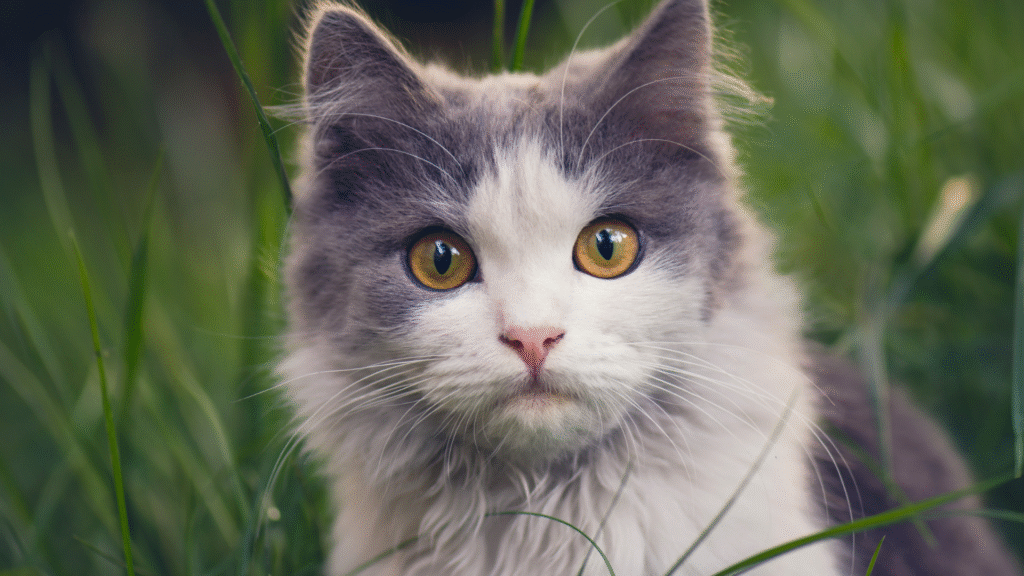
Tofu vs clay vs silica cat litter comparison—three types side by side

Tofu vs Clay vs Silica Cat Litter

Honest Guide · 7 min read Tofu vs Clay vs Silica:The Honest Comparison. Clay, silica, or tofu — which should UK cat owners actually choose? A straight comparison across dust, odour, comfort, cost, environment and cat acceptance — from a brand that sells tofu litter, so we show where tofu loses too. The three main types of UK cat litter Walk into any UK pet shop and you face the same wall of cat litter you have always faced. Before the comparison, a quick overview of what you are actually choosing between. Clay litter is the most common type in the UK — sold in every supermarket and pet shop. Made from bentonite (clumping) or fuller’s earth (non-clumping). Cheap and familiar, but strip-mined and non-biodegradable. Silica crystal litter is made from silica gel beads. Highly absorbent, long-lasting, low-maintenance. More expensive, mined from quartz, also non-biodegradable. Tofu litter is made from compressed food-grade soy husk — the natural byproduct of tofu production. Plant-based, biodegradable, virtually dust-free. Newer to the UK market but growing fast among cat owners who care about what their cats breathe. For a deeper introduction to tofu cat litter, read our guide: What Is Tofu Cat Litter? Dust levels Clay litter — especially clumping bentonite — releases fine crystalline silica dust every time your cat covers. That dust can irritate the airways of cats and the people who live with them. Silica crystals produce less dust but fine grades can still be inhaled. Tofu litter is virtually dust-free. No clouds when you pour, no haze when your cat digs. If your cat sneezes after using the litter box, dust is a common culprit. Verdict: Tofu, by a wide margin. Odour control Clay relies on absorption plus synthetic fragrance — masking odour rather than neutralising it. Many cats actively dislike the perfume, which can lead to litter box avoidance. Silica traps moisture and slows bacterial growth — effective but not eternal. Tofu controls odour through natural plant-based absorption — no synthetic fragrance, nothing to overwhelm a sensitive nose. Verdict: Tofu, on cleanest method. Silica close on raw effectiveness. Texture and paw comfort Clay is granular and gritty. Silica is hard crystals — many cats find it uncomfortable, particularly kittens and senior cats. Tofu pellets are noticeably softer than both. This matters most for kittens, senior cats with arthritis, and cats recovering from paw injuries. Some cats simply refuse silica because they find the crystals uncomfortable. Verdict: Tofu. Environmental impact This is where the comparison becomes one-sided. Clay is strip-mined bentonite — non-renewable, environmentally destructive at source, takes centuries to break down in landfill. Silica is mined quartz sand — also non-renewable, manufactured into beads, landfilled forever. Tofu is made from a food production byproduct that would otherwise be wasted. It is a circular product, and it is biodegradable. If environmental impact matters to you, there is no contest. Verdict: Tofu, by a massive margin. Disposal All three go in your general waste bin. The difference is what they are made of: clay and silica are minerals that do not biodegrade, while tofu is made from plant-based, biodegradable ingredients. Whichever litter you use, never flush cat waste — it can carry Toxoplasma into rivers and seas. Verdict: Tofu — the only one of the three made from plant-based, biodegradable ingredients. Cost per week Honest answer: clay is the cheapest litter you can buy, and tofu costs more. Prices vary by brand and shop, so check the cost per week, not just the bag price. Clay: the lowest price per week. The trade-offs are dust, weight and landfill. Silica: a higher bag price, but each bag lasts longer. Tofu: a higher price per week than clay. A 5kg pack typically lasts one cat around four to six weeks — divide the price by the weeks to compare fairly. Verdict: Clay. You pay more for tofu — for low dust, plant-based ingredients and a biodegradable product. Cat acceptance Most cats accept clay immediately — it is familiar. Some cats reject silica because of the hard crystal texture. Cats generally accept tofu well, especially kittens. Adult cats switching from clay may need a gradual seven-day transition. Verdict: Clay short-term. Tofu catches up quickly with proper transition. The verdict Tofu wins five of the seven categories. Clay wins on price and on short-term familiarity — and familiarity is a transition problem that the seven-day method solves. 5 of 7 Categories tofu wins 2 Categories clay wins 0 Synthetic fragrance This is not about being trendy. It is about a category that has not been seriously rethought in decades finally being rethought. How to switch your cat to tofu litter The seven-day method works for most cats. Days 1–2: 80% old, 20% tofu Days 3–4: 60% old, 40% tofu Days 5–6: 30% old, 70% tofu Day 7+: 100% tofu Kittens often adapt faster. Senior cats may need ten to fourteen days. For full safety information — including for kittens, multi-pet households and pregnancy — read our companion guide: Is Tofu Cat Litter Safe? What to look for when buying tofu litter Not all tofu litter is the same. Look for these six things when buying any tofu cat litter: Three plant-based ingredients only — soy husk, corn starch, guar gum. Anything more is unnecessary. HACCP and ISO manufacturing certification — proves the production facility is held to food-grade safety and quality standards. Plastic-free packaging — FSC-certified outer with home-compostable inner bag (look for OK Compost HOME or TÜV Austria). No synthetic fragrance — natural odour neutralisation only. Full ingredient disclosure on the product page. A satisfaction guarantee — fussy cats happen, the brand should stand behind their product. In This Article The three main types Dust levels Odour control Environmental impact Cost per week The verdict What to look for 1% for the Planet Bestami is a direct member. 1% of every sale goes to verified environmental non-profits, every year. Our Commitment → Read Next What Is Tofu Cat Litter? 6 min read Is

Tofu vs Clay vs Silica Cat Litter Read More »
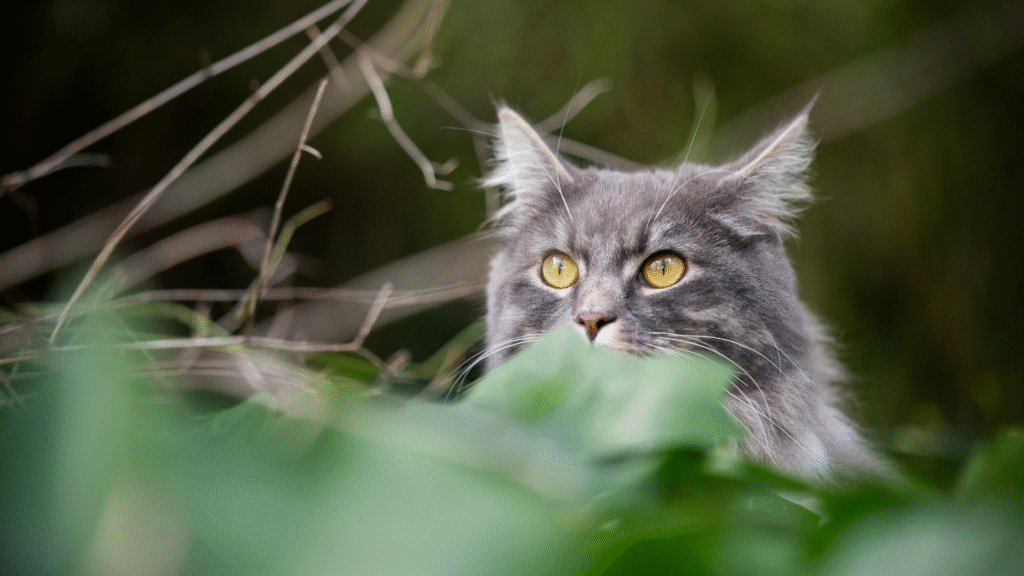
What Is Tofu Cat Litter? The UK Guide

Honest Guide · 6 min read What Is Tofu Cat Litter?The UK Guide. Plant-based, virtually dust-free, biodegradable. Most UK cat owners have never heard of tofu cat litter — but the ones who switch almost always wish they had done it sooner. Here is everything you need to know. What tofu cat litter actually is Tofu cat litter is made from food-grade soy husk — the natural byproduct left over when tofu is produced. Instead of being discarded as food waste, this fibrous byproduct is compressed into small pellets that work brilliantly as cat litter. The result is a plant-based, biodegradable litter that clumps like clay — with far less dust and none of the mining behind conventional litter. 3 Plant ingredients 0 Synthetic fragrance 7 Day switch method What is in tofu cat litter Quality tofu cat litter typically contains three core plant-based ingredients. Soy husk — the natural byproduct of tofu production. Circular origin, fully biodegradable. Usually around 75% of the formulation. Corn starch — natural plant-based binder. Helps the pellets hold their structure when wet. Guar gum — plant-derived clumping agent. Forms the tight, scoopable clumps when liquid is absorbed. Plant-based deodorising agent (trace) — naturally derived. Replaces synthetic fragrance with gentle natural odour neutralisation. Better tofu cat litters are made in facilities that follow food-grade safety and quality systems. Look for HACCP and ISO certification when buying. Three plant-based ingredients. No bentonite clay. No crystalline silica. No synthetic fragrance. Why UK cat owners are switching The shift towards tofu cat litter is not a passing trend. It is a response to real concerns cat owners have been raising for years. Dust from clay litter. Clumping bentonite releases fine crystalline silica dust every time your cat digs and covers. That dust can irritate the airways of cats and the people who live with them. Tofu cat litter is virtually dust-free. What ends up in landfill. Most UK cat litter goes straight to landfill — strip-mined clay or non-renewable silica that takes hundreds of years to break down. Tofu litter is plant-based and biodegradable. Synthetic fragrance. Many conventional litters mask odour with artificial perfume. Cats have an extraordinarily sensitive sense of smell — what seems mild to us can be overwhelming to them, leading to litter box avoidance. Tofu controls odour naturally, no fragrance required. How tofu cat litter works in practice Tofu cat litter works the same way as any clumping litter — but cleaner. The pellets absorb liquid quickly and form a tight, compact clump. You scoop, dispose, and the rest stays fresh. Fill the box with 5–7 cm of pellets, scoop daily, top up weekly, and do a full change every four to six weeks depending on box use. A 5 kg bag typically lasts a single cat four to six weeks. How tofu compares to clay and silica Clay is cheap and familiar — but dusty, strip-mined, and non-biodegradable. Silica is long-lasting and odour-controlling — but mined, hard underfoot, and non-renewable. Tofu is plant-based, virtually dust-free, biodegradable, soft on paws, and made from food industry waste. For the full breakdown across dust, odour, comfort, environmental impact, disposal and cost, read our complete comparison: Tofu Cat Litter vs Clay vs Silica. How to switch your cat to tofu litter The biggest mistake people make is switching cold turkey. The seven-day method works for most cats. Days 1–2: 80% old litter, 20% tofu Days 3–4: 60% old litter, 40% tofu Days 5–6: 30% old litter, 70% tofu Day 7+: 100% tofu Switch gradually over seven to ten days. Kittens often adapt faster. Senior cats may need ten to fourteen days. Disposal — done right Clay and silica are minerals that do not biodegrade. Tofu litter is plant-based and biodegradable — bin used litter in your general waste. The inner packaging is certified home-compostable (OK Compost HOME, TÜV Austria). Never flush cat waste — it can carry Toxoplasma into rivers and seas. Who tofu cat litter is right for Tofu cat litter works exceptionally well for kittens from eight weeks, adult cats, senior cats, cats with respiratory sensitivities, and multi-cat households. The virtually dust-free formulation matters most for cats with asthma and for households with young children or family members with allergies. For more on safety — including what happens if your cat eats some — read our companion guide: Is Tofu Cat Litter Safe? What to look for when buying tofu cat litter Not all tofu cat litter is the same. When choosing yours, look for: Three plant-based ingredients only — soy husk, corn starch, guar gum. Anything else is unnecessary. HACCP and ISO manufacturing certification — proves the production facility is held to food-grade safety and quality standards. Plastic-free packaging — FSC-certified outer with home-compostable inner bag (look for OK Compost HOME or TÜV Austria certification). No synthetic fragrance — natural odour neutralisation only. Full ingredient disclosure on the product page. Brands that hide ingredients are usually hiding something. A satisfaction guarantee — fussy cats happen, the brand should stand behind their product. Tofu cat litter is not a gimmick. It is a quietly better product that has been hiding in plain sight while UK cat owners kept buying clay. The honest bottom line If you have been meaning to make the switch, there is no better time than now. Your cat will thank you. Your home will be cleaner. The planet will be a little better off. And you will probably find — like most cat owners who switch — that you wonder why you waited so long. In This Article What it actually is What is in tofu litter Why UK owners are switching How it works in practice How to switch your cat What to look for when buying 1% for the Planet Bestami is a direct member. 1% of every sale goes to verified environmental non-profits, every year. Our Commitment → Read Next Tofu vs Clay vs Silica 7 min read Is Tofu Cat Litter Safe? 7 min read ←

What Is Tofu Cat Litter? The UK Guide Read More »

Shopping Cart