BESTAMI

September 2026

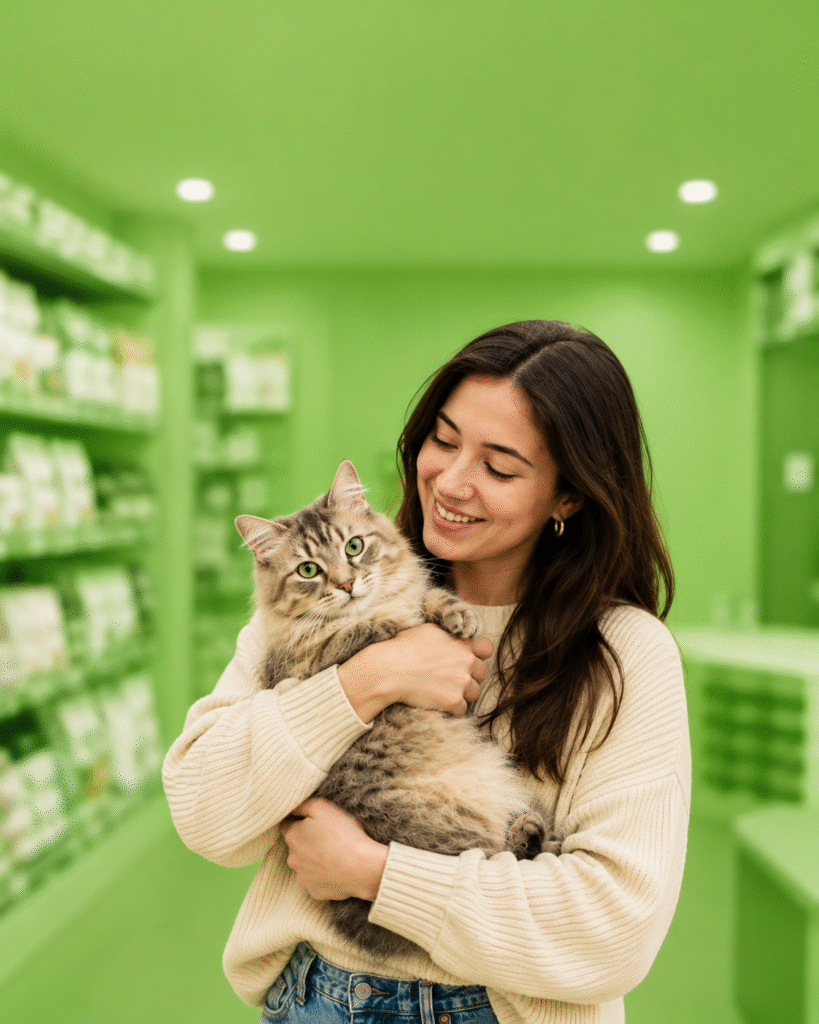
Smiling woman holding her cat in a pet store aisle, choosing sustainable pet-care products on a budget

Build a Sustainable Pet-Care Routine on a Budget

Better Pet Living · 2 min read How to Build a Sustainable Pet-Care Routine on a BudgetA Better Pet Living Guide. How to reduce your pet-care environmental footprint without spending more — practical, budget-friendly swaps. Sustainable pet care and an affordable one aren’t opposites — many of the most effective changes (buying less often, choosing durable items, using what you already have) actually reduce cost, not increase it. Budget-friendly swaps that genuinely help Buy larger packs less frequently rather than several small ones — this usually reduces cost per use as well as packaging. Choose durable, well-made basics (bowls, leads, beds) over cheap items you’ll replace repeatedly — the total cost over a year is often lower. Use up what you have before buying “eco” replacements for things that still work. Compare cost-per-month, not just price per bag, when choosing food or litter — a pricier bag used at a lower rate can work out similar or cheaper. Look for genuine subscription or bulk discounts from brands you already trust, rather than switching brands frequently. What to be cautious of Some products marketed as sustainable carry a premium that isn’t matched by genuine extra benefit. Comparing on evidence (certifications, ingredient transparency, cost-per-month) rather than packaging alone helps avoid overpaying for a label. Bestami’s honest view We don’t think sustainability should only be accessible to people with money to spend on premium products. Buying less, buying durable, and buying only what you’ll actually use are free changes anyone can make, regardless of budget. Frequently Asked Questions Is sustainable pet food or litter always more expensive? Not necessarily — comparing cost-per-month rather than price-per-bag often narrows or closes the gap, especially with products used at a lower daily rate. What’s the cheapest sustainable change I can make today? Using up existing products fully before replacing them, and choosing durable items when you do need to buy, costs nothing extra and reduces waste immediately. In This Article Budget-friendly swaps that genuinely helpWhat to be cautious of Read Next Better Pet LivingHow Much Waste Does a Cat-and-Dog Household Produce?Honest GuideHow to Store Tofu Cat Litter So It Stays Fresh and Dry

Build a Sustainable Pet-Care Routine on a Budget Read More »
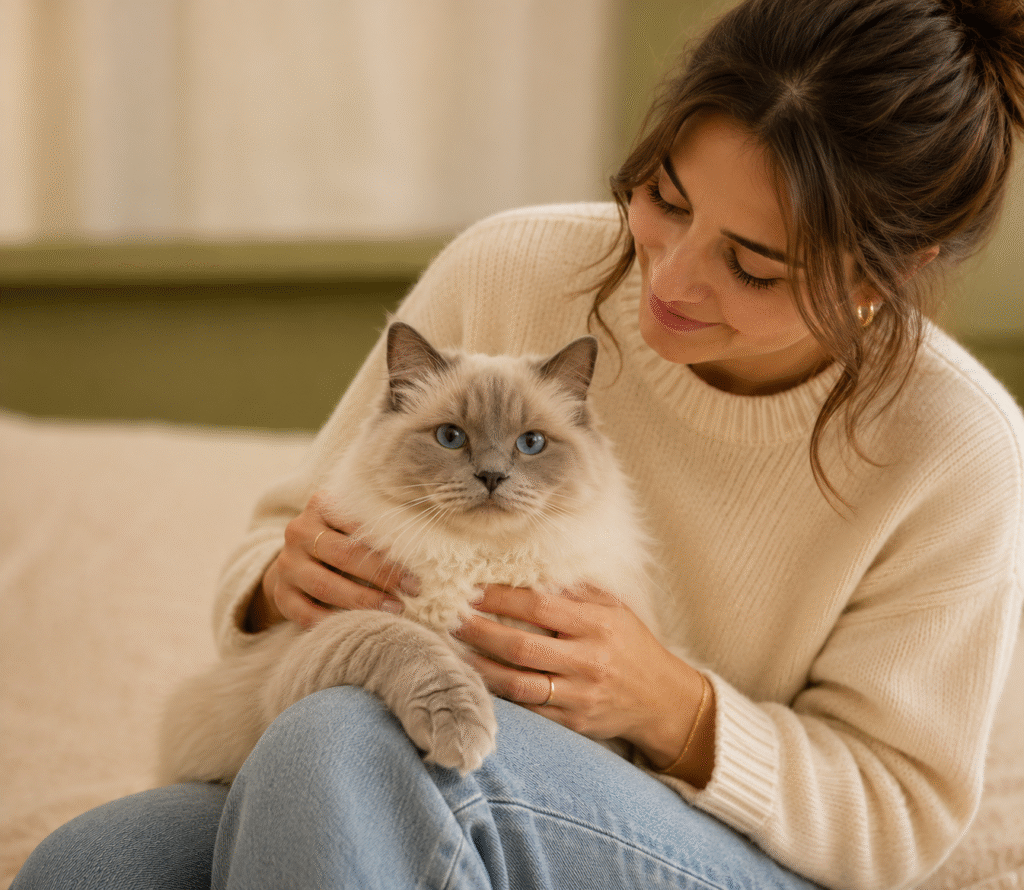
Woman cuddling her Ragdoll cat at home, representing the daily bond between UK cat owners and their pets

How Long Does Tofu Cat Litter Last? UK Cat Owner Guide

Honest Guide · 2 min read How Long Does Tofu Cat Litter Last?A UK Cat Owner’s Guide. How long a bag of tofu cat litter lasts per cat, and the factors that make it last longer or shorter in your home. A 5kg box of Bestami tofu cat litter (two 2.5kg bags) typically lasts a single cat around four to six weeks with daily scooping and a 5–7 cm fill — though multi-cat households will go through it faster. What affects how long it lasts Number of cats: Litter use scales roughly with the number of cats sharing (or each having) a tray. Scooping habits: Daily scooping of solid waste and clumps extends the life of the litter in the tray, since you’re only removing what’s been used rather than the whole tray. Litter depth: 5–7 cm is enough for clumps to form cleanly. Filling deeper than that mostly means more litter goes out with each full change. Tray size and number of trays: More trays means the same amount of litter is spread further, which can change your usage pattern. A simple way to estimate your own usage Track how many bags you use over two or three months for your household, then use that as your baseline going forward — it’s more accurate for your specific setup than any single average. Bestami’s honest view We’d rather give you a realistic range than an exact number that ignores how differently every household runs its litter tray. If you’re finding a bag disappears much faster than this range, it’s worth checking your fill depth — 5–7 cm is plenty, and overfilling is the most common reason. Frequently Asked Questions Does tofu litter last longer than clay litter? Tofu litter is typically used at a shallower depth than clay, so bag-for-bag comparisons can be misleading — compare based on cost and usage over a full month rather than per bag. Should I buy in bulk to save money? If tofu litter works well for your household, buying in bulk can reduce cost per use — just check our storage guide first, so it stays fresh until you need it. Plant-based · virtually dust-free · 30-day promise See Bestami Tofu Cat Litter → In This Article What affects how long it lastsA simple way to estimate your own usage Read Next Honest GuideDoes Tofu Cat Litter Expire? Shelf Life, Storage and FreshnessHonest GuideHow to Store Tofu Cat Litter So It Stays Fresh and Dry

How Long Does Tofu Cat Litter Last? UK Cat Owner Guide Read More »

Does Tofu Cat Litter Expire? Shelf Life, Storage and Freshness

litter Honest Guide · 2 min read Does Tofu Cat Litter Expire? Shelf Life, Storage and FreshnessAn Honest Guide. Whether tofu cat litter expires, how storage conditions affect it, and how to tell if a bag is still good to use. Tofu cat litter doesn’t have a fixed “use by” date in the way food does, but its performance depends heavily on how it’s been stored — a bag kept cool, dry, and sealed will stay effective far longer than one exposed to moisture. What actually degrades tofu litter over time Because tofu litter is plant-based and designed to absorb liquid, its main vulnerability is moisture exposure before use — either from humid storage conditions or a bag left open. This can lead to reduced clumping performance and, in more extreme cases, mould. Signs a bag is past its best If you notice any of these, don’t use that batch — check with us directly if you’re unsure. A musty or damp smell before you’ve even opened the bag properly Visible mould or discolouration on the pellets Pellets that feel damp or clump together in the bag itself, before use Noticeably weaker clumping performance in the tray compared with a fresh bag Bestami’s honest view We’d rather help you judge freshness by these signs than quote a specific number of months that depends entirely on how a bag has been stored. Correct storage (see our storage guide) is genuinely the biggest factor here — more than time elapsed since purchase. Frequently Asked Questions Is there a printed expiry date on Bestami litter bags? Check your specific bag and batch code for any date information — if you can’t find one and have a question about a specific bag, contact us directly at hello@bybestami.com. Can I still use litter that’s a few months old? If it’s been stored correctly (cool, dry, sealed) and shows none of the signs above, it should still perform as expected. In This Article What actually degrades tofu litter over timeSigns a bag is past its best Read Next Honest GuideHow to Store Tofu Cat Litter So It Stays Fresh and DryHonest GuideHow Long Does Tofu Cat Litter Last? A UK Cat Owner’s Guide

Does Tofu Cat Litter Expire? Shelf Life, Storage and Freshness Read More »

How to Store Tofu Cat Litter So It Stays Fresh and Dry

Honest Guide · 2 min read How to Store Tofu Cat Litter So It Stays Fresh and DryAn Honest Guide. How to store tofu cat litter correctly to keep it dry, effective and free from mould before you use it. Store unopened and opened bags of tofu cat litter somewhere cool, dry, and out of direct sunlight — moisture exposure before use is the main thing that affects its performance and shelf life. Why moisture is the key factor Tofu litter’s plant-based pellets are designed to absorb liquid once they’re in the tray — which means they’re equally capable of absorbing ambient moisture if stored somewhere damp, like a garage, shed, or under a leaking pipe. Excess moisture before use can affect clumping performance and, over time, encourage mould. A simple storage routine Keep bags sealed between uses — reseal the inner bag or transfer remaining litter to an airtight container. Store indoors where possible, in a cool, dry cupboard rather than an outbuilding. Avoid direct sunlight and heat sources, which can affect moisture levels inside the packaging over time. Check before use if a bag has been stored for a long time — litter that feels damp, smells musty, or shows visible mould should not be used. Bestami’s honest view We haven’t published a fixed shelf-life figure, because it depends heavily on storage conditions rather than time alone — a bag stored correctly will outlast one left somewhere damp, regardless of the date on the packaging. If in doubt, check the litter before use rather than relying on a stored-for-X-months rule of thumb. Frequently Asked Questions Can tofu cat litter go mouldy? Any plant-based, absorbent material can develop mould if exposed to enough moisture over time — correct dry storage largely prevents this. Is it safe to use litter that’s been stored for a long time? Check it first — if it smells musty, feels damp, or shows any visible mould, don’t use it, regardless of how long it’s been stored. In This Article Why moisture is the key factorA simple storage routine Read Next Honest GuideDoes Tofu Cat Litter Expire? Shelf Life, Storage and FreshnessHonest GuideHow Long Does Tofu Cat Litter Last? A UK Cat Owner’s Guide

How to Store Tofu Cat Litter So It Stays Fresh and Dry Read More »

Cat and dog sitting together, illustrating waste from a multi-pet household

How Much Waste Does a Cat-and-Dog Household Produce?

Better Pet Living · 2 min read How Much Waste Does a Cat-and-Dog Household Produce?A Better Pet Living Guide. A realistic look at how much waste a household with both a cat and a dog produces, and where most of it actually comes from. Households with both a cat and a dog typically produce waste across five main categories — litter, food and treat packaging, poo bags, worn-out toys and bedding, and grooming products — with litter and food packaging usually making up the largest share by volume. Where the waste actually comes from Litter: For cat owners, spent litter is often the single largest recurring waste stream in the home, simply because of how frequently it’s replaced. Food and treat packaging: Multi-layer pouches, tins, and individually wrapped treats add up quickly, especially in multi-pet households buying for different sizes and life stages. Waste bags: Poo bags for dog walks and litter-disposal bags for cats are small individually, but frequent enough to become a meaningful category over a year. Toys, bedding and grooming products: Lower in frequency but often plastic-heavy, and rarely designed to be recycled or repaired. Why this is worth thinking about Most owners have never actually totalled this up — it tends to feel like background noise rather than a measurable footprint. Seeing it broken into categories makes it easier to spot where a single change (like litter type, or bulk-buying food) would have the biggest impact. Bestami’s honest view We don’t have a single verified figure for “the average cat-and-dog household,” because usage varies enormously by pet size, number of pets, and habits. What we can say is that litter and food packaging are consistently the two biggest categories worth looking at first if you want to reduce your household’s pet-related waste. Frequently Asked Questions Which produces more waste — a cat or a dog? It depends heavily on litter habits versus food and walking-related waste; cats typically generate more litter waste, dogs typically generate more poo-bag and food-packaging waste through more frequent outdoor walks. Where should I start if I want to reduce this? Litter and food packaging are usually the highest-volume categories, so starting there tends to have the biggest impact for the least lifestyle change. In This Article Where the waste actually comes fromWhy this is worth thinking about Read Next Better Pet LivingA Beginner’s Guide to a Lower-Waste Pet HomeBetter Pet LivingPet Products That Should Be Reused, Refilled, or Replaced

How Much Waste Does a Cat-and-Dog Household Produce? Read More »

Shopping Cart